A field guide
Make the conversation—not the transcript—the center
AI-supported meeting work can include agenda preparation, transcription, summaries, action-item extraction and follow-up drafting. These tasks may reduce administrative effort, but they do not make a conversation self-explanatory. A transcript captures words imperfectly; a summary selects what seems important; an action list may infer owners or commitments that were never agreed.
Start before the meeting. Gather the purpose, participants and relevant material, then shape a short agenda around the decisions or questions that need attention. An assistant can help turn a rough outline into clear prompts or surface gaps in the agenda. Keep the final version accountable to the meeting owner and give participants an opportunity to correct assumptions.
Choose capture with care
Transcription can help people revisit details, but its reliability varies with audio quality, accents, overlapping speech and specialist language. Speaker attribution can also be wrong. Tell participants when recording or transcription is being used, follow applicable workplace rules and obtain appropriate permission. Do not assume that convenience overrides an organization’s privacy or retention requirements.
Some conversations are especially sensitive: personnel discussions, health matters, legal advice, confidential negotiations or personal disclosures. In such cases, consider whether AI capture is appropriate at all. If it is allowed, limit access and retention to what is necessary. A manual, minimal note may be a better choice where the risk or expectation of privacy is high.
Turn notes into useful follow-through
After a meeting, AI may help organize notes into themes, decisions, open questions and possible actions. Ask it to distinguish explicit statements from inferred details. A useful summary makes uncertainty visible rather than quietly filling gaps. Keep the original notes available so a reviewer can check the summary against its source.
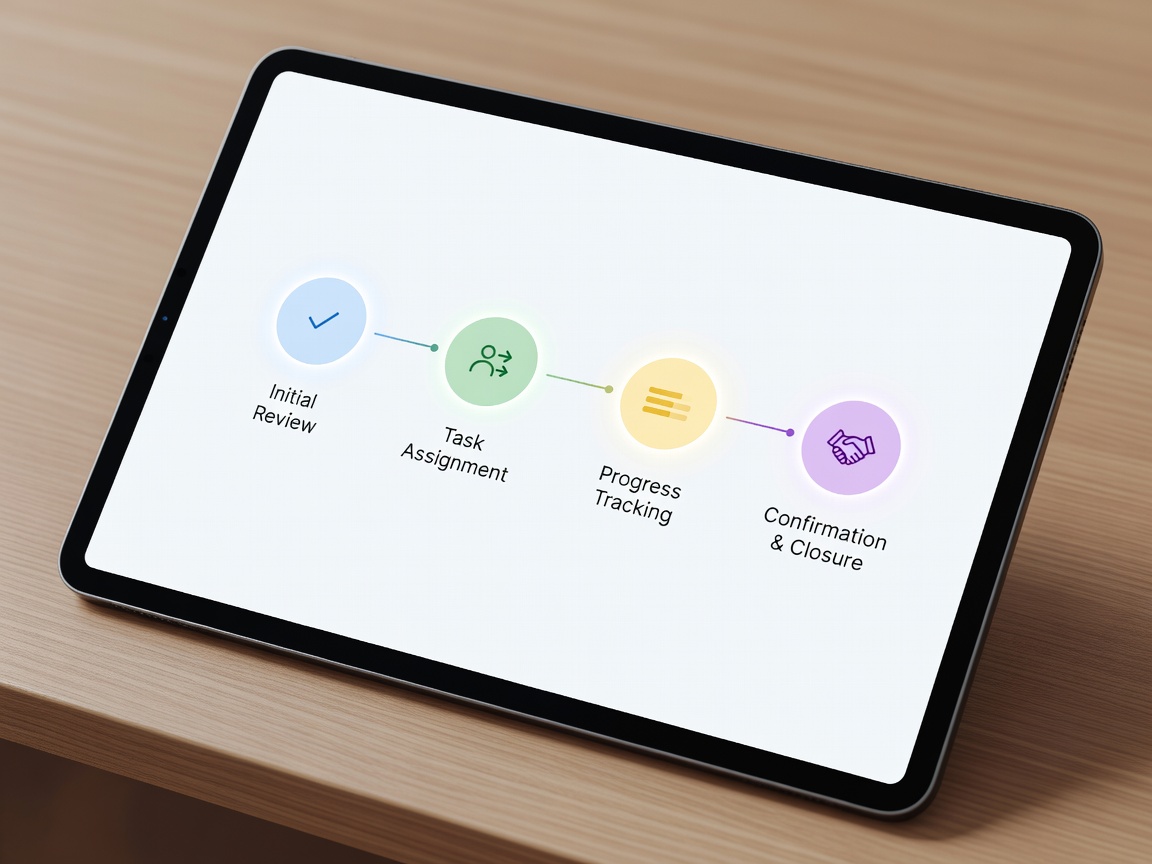
Action items need particular attention. Confirm the owner, deliverable and timing with the people involved. If the discussion did not settle a point, label it unresolved rather than presenting a plausible guess as a commitment. A follow-up draft should be reviewed for tone, context and accuracy before it is shared.
Organize communication, not just meetings
Meeting notes are more useful when they have a predictable home and a consistent structure. A simple pattern might include date, purpose, decisions, actions, open questions and links to related material. Use clear labels that help people retrieve information later. Avoid collecting personal details that do not need to be part of the record.
Communication organization can include sorting messages into a review queue, drafting a response or summarizing a long thread. These are supports rather than permission to send automatically. The right owner should check the audience, commitments and any sensitive information before an external message is sent.
Keep context and accountability visible
AI can miss a joke, a disagreement, a qualification or a decision that depended on earlier discussion. It may confuse speakers or turn a tentative suggestion into a firm action. A person who attended—or who owns the record—should review important summaries. For high-impact matters, confirm the record with participants and rely on the agreed source of truth.
Define a review routine that fits the team: who checks the output, where corrections go, how long notes are kept and how the final version is shared. If a summary affects a decision, it should be possible to trace key points back to the source material. Good process design makes correction normal rather than awkward.
MEETING WORKFLOW
Think of the technology as a helper around the edges of a human conversation. It can organize material and make follow-up easier to start. It cannot reliably decide what mattered, whether the record is fair or who should be held accountable for a decision.
Practical checks before sharing
- Was everyone appropriately informed about recording or transcription?
- Are names, speaker attributions and quoted details correct?
- Does the summary separate confirmed decisions from open questions?
- Have action owners and dates been confirmed rather than inferred?
- Is the content stored and shared with suitable access?
When in doubt, reduce the record to the information needed for the work. Human review is not a ceremonial last click; it is the moment where context, responsibility and accuracy come back together.
Ask us about meeting systems